

A claim comes back denied. Your biller checks the coding, clean. The documentation is solid. The insurer is contracted. Nobody in the office can immediately explain what went wrong. After a few hours of digging, the answer surfaces: the rendering provider was billed before their enrollment with that payer was officially active. The service happened. The code was right. The problem was a credentialing gap that nobody caught. A credentialing specialist exists precisely to prevent situations like this one.
This scenario plays out in small practices every week, and the cost adds up faster than most owners realize. A credentialing specialist verifies provider qualifications, manages payer enrollments, tracks expiration dates, and keeps the provider data underlying every claim accurate and current. Without that function covered, practices are billing on a foundation that can crack at any time.
This article breaks down what the role actually involves, how credentialing gaps quietly drain practice revenue, and what it looks like to get this function right. At WeBill Health, we work directly inside the revenue cycle, and credentialing failures are among the most consistent root causes we see when practices come to us with chronic denial problems. Getting credentialing right is where clean billing actually starts.
What a credentialing specialist actually does in your practice
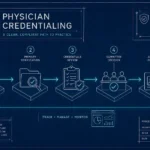
The core job is verification, enrollment, and compliance. A credentialing specialist, sometimes called a provider enrollment specialist or medical credentialing specialist, confirms that every provider in your practice holds the right licenses, certifications, education, and training to practice legally and to bill insurers. That means primary source verification of medical degrees, residency training, state licenses, and board certifications, going directly to the issuing source rather than relying on what the provider submits. It also means managing provider enrollment with each insurance payer so your practice can bill under that provider’s name without interruption.
Day-to-day responsibilities
On any given day, a credentialing specialist is reviewing new provider files, contacting state licensing boards, checking whether credentials are approaching expiration, and preparing packets for credentialing committee review. They also maintain the credentialing database so records are accurate and audit-ready at all times. The work is largely administrative, but the downstream effects on billing are significant.
Provider enrollment and approval timelines
Provider enrollment with payers is a distinct responsibility that sits squarely inside the credentialing workflow. Until a provider is fully enrolled and active in a payer’s system, claims submitted under that provider are commonly rejected or denied before they reach adjudication, often triggering denial codes like CO-B7 or CO-16. The credentialing specialist manages the enrollment applications, tracks approval timelines, and follows up on pending status. For more on typical provider credentialing timelines, including common documentation and processing windows, this overview is a useful reference. That follow-up work is what determines when your practice can actually start collecting revenue from a new provider.
Why credentialing is the backbone of clean claims submission
Payers process claims based on whether the rendering or billing provider is actively enrolled, credentialed, and in-network at the time of service. If there is any mismatch between your claims data and what the payer has on file for that provider, the claim gets rejected. This is not a coding problem or a documentation problem. It is a credentialing problem, and denial codes like CO-B7 (“provider not enrolled with the payer”) and CO-16 (“missing or invalid provider information”) show up directly in your reports when these gaps exist.
When a new provider joins your practice, there is a gap between their start date and the date their payer enrollments are fully approved. Enrollment timelines typically range from 30 to 180 days depending on the payer and how complete the application is. Without someone actively managing that timeline, practices often bill prematurely, generate a wave of denials, and then spend weeks sorting out retroactive approvals. Proper credentialing work closes that gap before it becomes a billing crisis. It’s also worth noting that the administrative cost of fixing credentialing errors often exceeds the cost of preventing them, particularly for practices with multiple active providers.
What happens when credentialing gaps slip through the cracks
The most common credentialing-related denial patterns are predictable once you know what to look for. A provider billed before their effective enrollment date triggers immediate rejection. A license that expired two months ago flags the provider as non-compliant in the payer’s system. A CAQH profile that hasn’t been re-attested within the required re-attestation window, typically every 120 days, though this can vary by state, creates a discrepancy between what the practice submitted and what the payer verified. Each of these is preventable, and each one costs your practice real money.
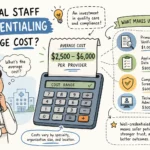
For a small practice without dedicated credentialing oversight, these errors accumulate quietly. A single denied claim may seem minor. But when one provider’s enrollment lapses and claims back up across thirty patient visits, the revenue loss becomes material fast. According to estimates based on average collections per provider, a credentialing delay of 90 to 120 days can cost a practice between $72,000 and $122,000 in lost or delayed revenue. Reworking denied claims requires staff time, appeals submissions, and in some cases, retroactive enrollment requests that payers are not obligated to honor.
Recredentialing and privileging: the ongoing work that never really stops
Most commercial payers require providers to re-credential every two to three years, and hospital systems run their own privileging cycles on top of that. Recredentialing involves re-verifying all the same documentation from initial credentialing, confirming continued competency, and resubmitting enrollment updates where required. If your practice misses a recredentialing deadline, payers can suspend the provider from their network, which means any claims submitted during that lapse period are at risk of denial or recoupment.
In small practices without a dedicated credentialing specialist or coordinator, recredentialing often gets tracked informally: a spreadsheet, a calendar reminder, or a single employee who carries the institutional knowledge. When that employee leaves, the tracking breaks. Payer notification practices vary, some send reminders, others do not, so practices should not rely on outside alerts to stay current. Without the right person in that role, important deadlines slip in ways that don’t surface until a payer flags the issue mid-billing cycle.
Signs your practice has a credentialing problem it hasn’t named yet
If your denial reports show a pattern of rejections tied to “provider not enrolled,” “billing provider mismatch,” or “service not covered under provider’s agreement,” these are credentialing signals. Practices often chase these denials one at a time without stepping back to look at the credentialing data underneath them. A credentialing specialist reviews these patterns and traces them back to the source, whether that is an outdated CAQH profile, an enrollment that was never completed, or a payer roster that hasn’t been updated since a provider left the practice.
Any time a provider leaves or joins your practice, credentialing work is triggered. Departing providers need to be removed from payer rosters. New providers need to be enrolled across every payer your practice works with. If your front-office staff are managing this on the side while handling patient scheduling and billing, the risk of something being missed is high. The credentialing specialist role exists specifically because this work requires dedicated attention to be done correctly. Shortcuts in this function show up directly in your collections.
How a credentialing specialist reduces denials over time
A credentialing specialist does not just fix problems after they appear, they build the systems that prevent those problems from occurring in the first place. That includes maintaining a proactive credentialing calendar, submitting re-enrollment packets ahead of deadlines, and running regular audits of payer rosters to confirm that provider data matches what your billing team is submitting. Practices that have completed credentialing training courses and certifications like the Certified Provider Credentialing Specialist (CPCS) bring an added layer of process discipline to this work.
When credentialing jobs are staffed with qualified specialists, rather than distributed across billing or administrative staff as a secondary responsibility, the difference shows up in denial rates, appeals volume, and the speed at which new providers become billable. These are not soft benefits. They are measurable revenue outcomes tied directly to how well your credentialing function is managed. For practices looking to strengthen both credentialing and billing, investing in medical billing and coding services can create the operational alignment needed to reduce denials.
Building a billing foundation that doesn’t leak from day one
A clean billing operation depends on accurate, current provider data at every point in the revenue cycle. Credentialing is not a one-time task that happens when a provider is hired. It is an ongoing compliance function that directly affects every single claim your practice submits. Practices that invest in this function, whether through a dedicated in-house specialist or a qualified outsourced partner, tend to see fewer denials, faster payment cycles, and lower administrative overhead on rework.
For small practices that cannot justify a full-time credentialing hire, working with a full-service RCM company that understands how credentialing gaps trigger payer denials is a practical alternative. At WeBill Health, we approach revenue cycle management with the understanding that billing infrastructure starts before the first claim is ever submitted. When credentialing data is accurate, enrollment timelines are managed proactively, and recredentialing deadlines are tracked and met, the entire billing process runs cleaner.
The credentialing function is easy to overlook until a pattern of avoidable denials makes it impossible to ignore. Partnering with a dedicated credentialing specialist, or an RCM team with credentialing built into its process, is one of the most direct investments a small practice can make in its own financial stability. If you’re seeing denial patterns that trace back to provider enrollment or credentialing data, that is a solvable problem. The first step is recognizing it for what it is. Learn more about our approach at Revenue Velocity Credentialing.