Behavioral Health Billing: The 2026 Clinic Playbook
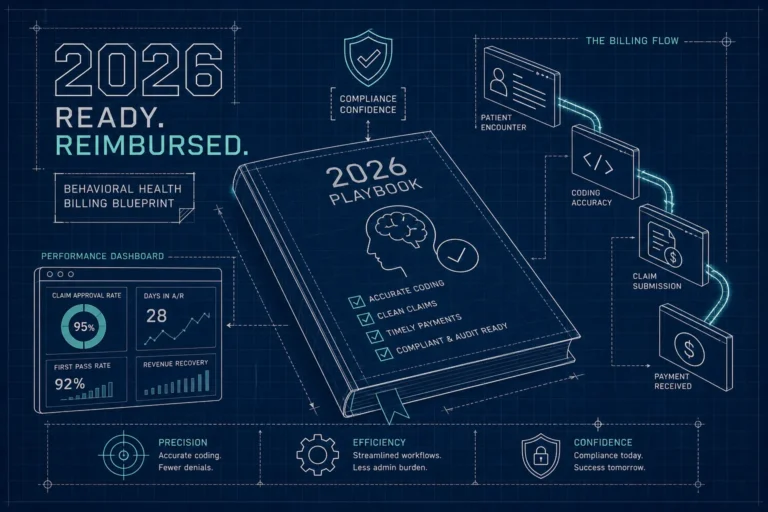
Master behavioral health billing in 2026: the right CPT codes, payer rules, telehealth modifiers, and denial fixes your clinic needs to get paid faster.


Master behavioral health billing in 2026: the right CPT codes, payer rules, telehealth modifiers, and denial fixes your clinic needs to get paid faster.
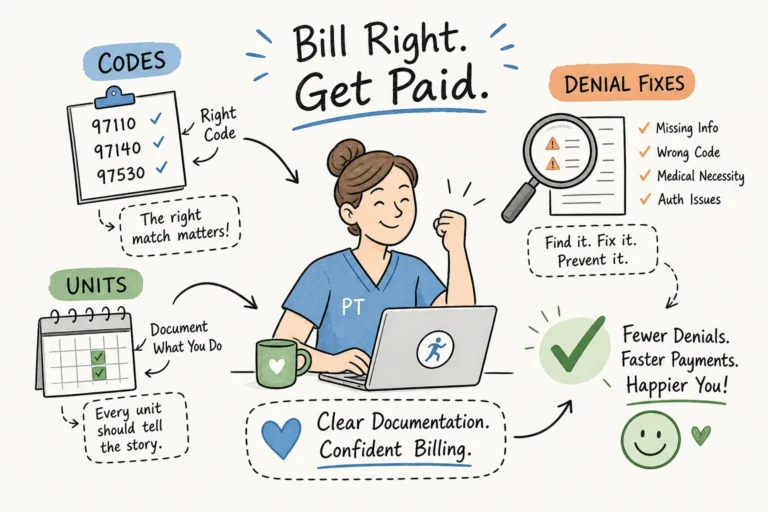
Master physical therapy billing with the right CPT codes, unit rules, and documentation. Learn how to cut denials and recover revenue faster for your PT practice.

CMS-0057-F brings major prior auth requirements in 2026. Learn the new turnaround times, affected payers, FHIR timelines, and workflow steps to avoid denials.
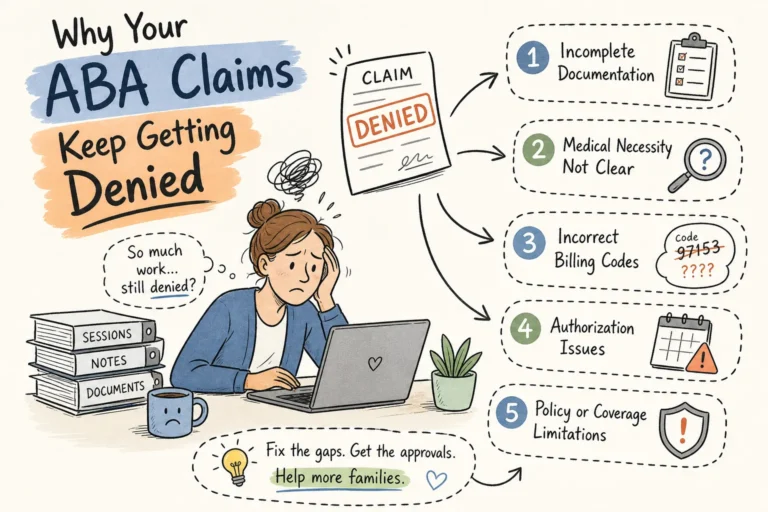
ABA claims being denied by insurance? Discover 5 post-payment denial triggers, from coding errors to UM red flags, and get a practical fix for each scenario.

Learn how insurance prior authorization works, what payers look for, and proven steps to cut delays and win denials. WeBill Health helps practices get approved faster.

Learn how to evaluate a revenue cycle management company using real KPIs, pricing benchmarks, and 9 vetting questions before signing any RCM contract.
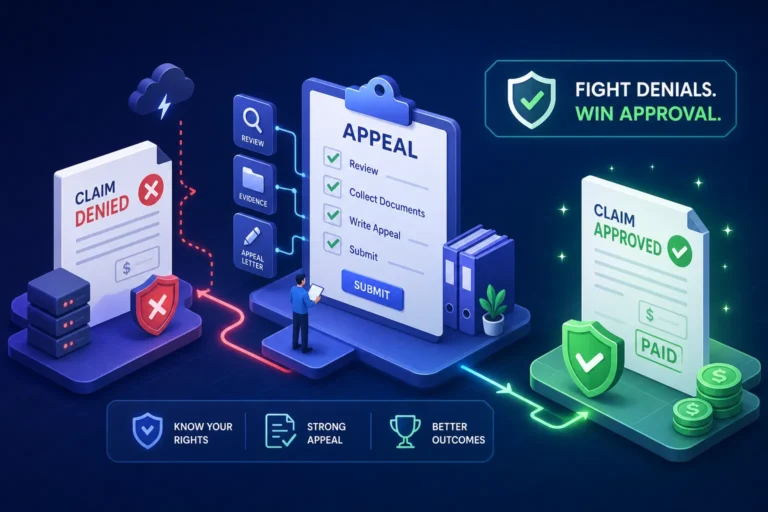
Master the claim appeal process with step-by-step guidance on timelines, documentation, peer reviews, and escalation. Recover denied revenue today.

Find the best medical billing service for your small practice. Compare costs, vendor types, and use our practical checklist to pick the right fit.
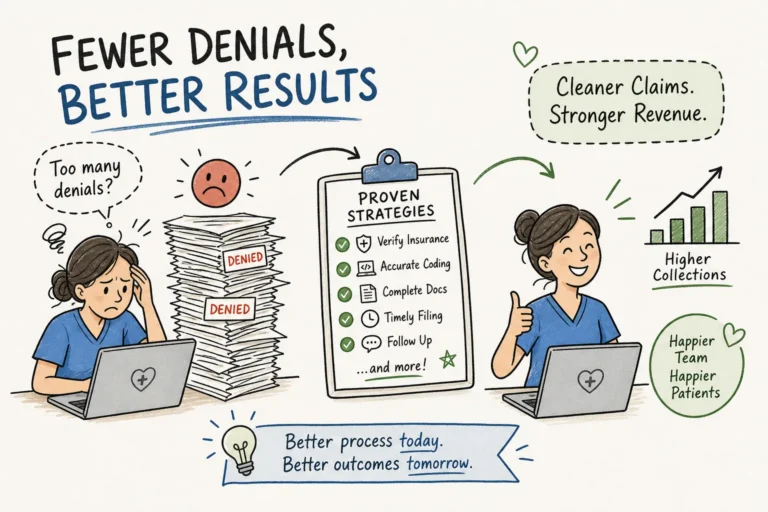
Reduce claim denials with 9 actionable strategies — from eligibility checks to denial pattern tracking — and build a measurable plan to protect your practice revenue.

A denied claim is not a paperwork inconvenience. It is revenue that was earned at the point of care and then lost at the point of billing.